
11 January 2018
Returns to History, Student Oscar and Successful Coproductions
Returns to History, Student Oscar and Successful Coproductions

Last year saw several films focused on topics from Czech and world history, including portraits of historical figures (A Prominent Patient and Milada), the poetic Little Crusader, and the experimental 8 Heads of Madness. At festivals, student films won laurels: Who’s Who in Mycology even walked away with a Student Academy Award. Coproductions (not only) with Slovakia — Little Harbour, Filthy, Nina, and Out — also scored abroad, while the tragicomedy Ice Mother garnered kudos both at home and abroad.
Article by Hedvika Petrželková for Czech Film Magazine / Spring 2018
The “historic” year in Czech film kicked off with A Prominent Patient by Julius Ševčík, a drama about the controversial Czech minister of foreign affairs, which premiered at the Berlinale. Following that, Milada, by debut director David Mrnka, a Czech who lives abroad, told the tragic story of politician Milada Horáková, unjustly sentenced to death during the Stalinist show trials of the 1950s.
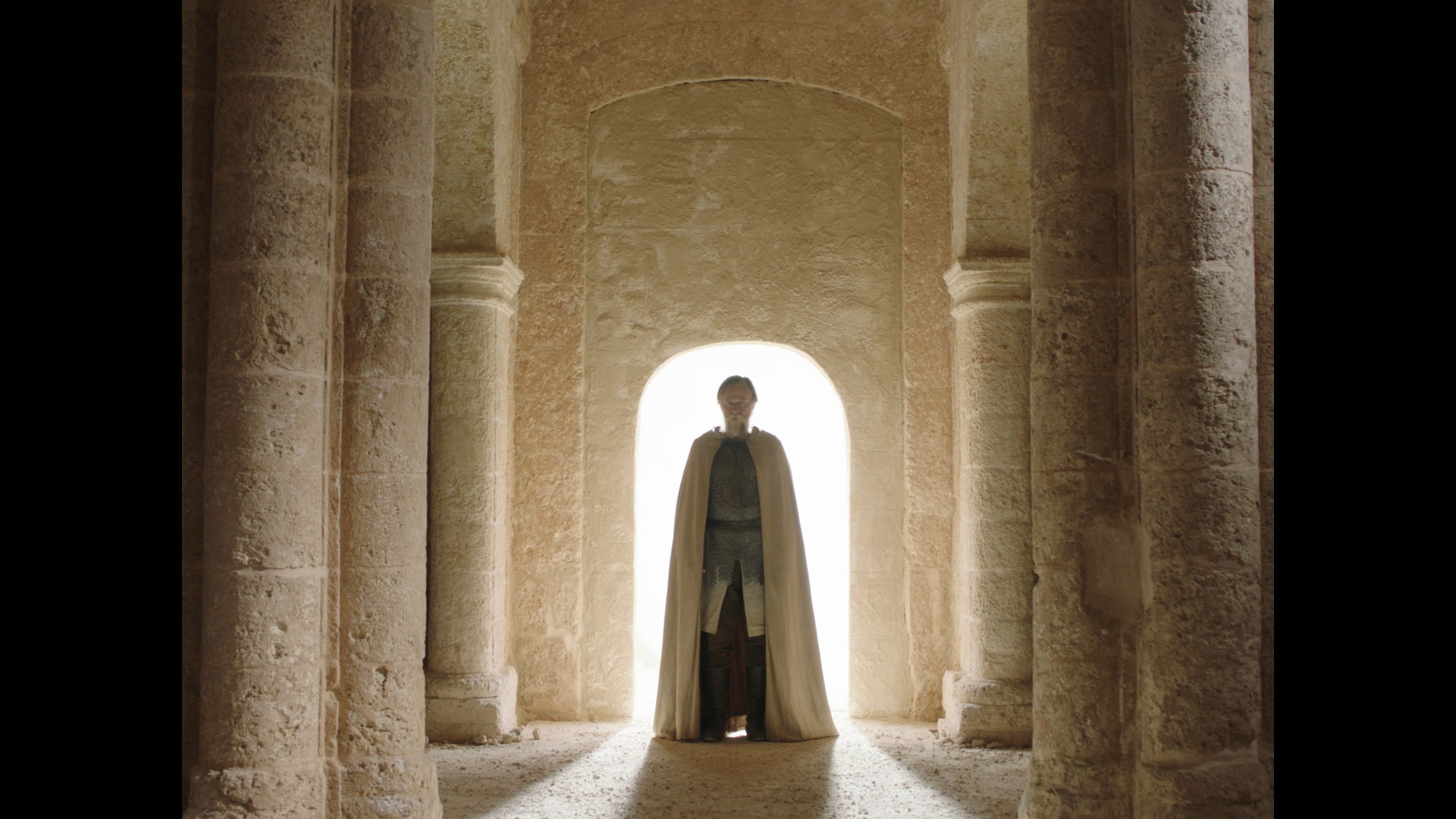
This year’s winner of the Karlovy Vary film festival, Little Crusader by Václav Kadrnka, a medieval “road movie” from the 13th century, can also be viewed as a period film. Kadrnka here continues to develop the themes from his debut, Eighty Letters (2010), of the quest and the relationship between a father and son. The Karlovy Vary Crystal Globe christened Little Crusader on its journey to festivals abroad, including the BFI london Film Festival, the Busan IFF, the Cairo IFF, Rome Film Fest, and others.
In 2017, Jan Svěrák, who won an Oscar for his moving comedy Kolya (1996), set in 1970s Communist Czechoslovakia, brought us Barefoot, based on a script by his father, Zdeněk, who has written and/or appeared in most of his son’s films, including Kolya. The storyline of Barefoot precedes the successful The Elementary School (1991), recounting a piece of the Svěrák family history from the perspective of 8-year-old Eda, at the time when he and his parents have to move from the town to the country, during World War II.
Jan Hřebejk set his film trilogy Garden Store (Deserter, Family Friend, Suitor) in the period spanning the war-time German occupation of the ’40s to the rigid communism of the ’50s. Most of Hřebejk’s films return to recent Czech history, including the Oscar-nominated Divided We Fall.
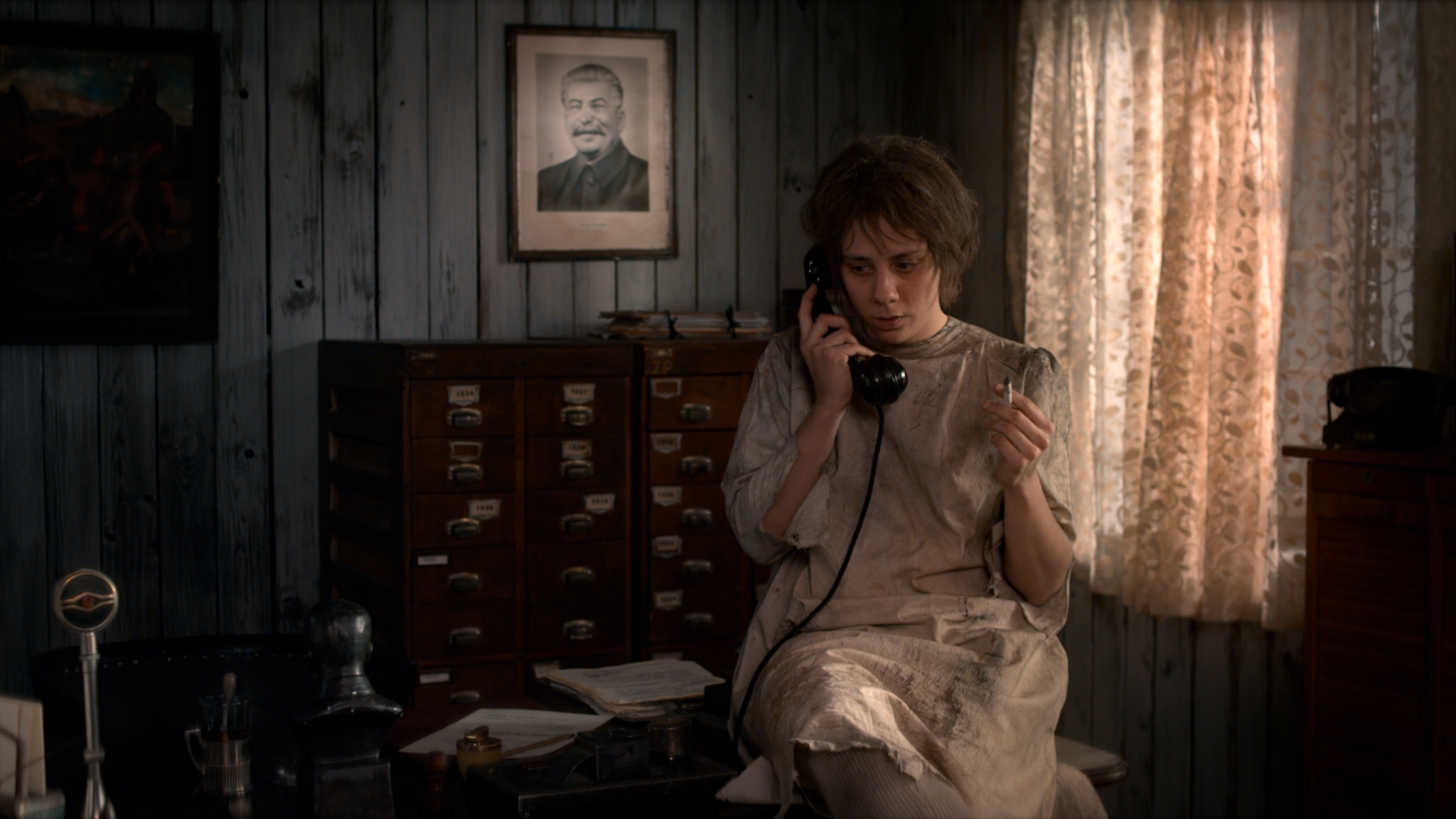
For her debut, Marta Nováková took an original approach to focus on a forgotten chapter of world history. After years of preparation, she directed 8 Heads of Madness based on her screenplay, using experimental elements to bring to light the fate of Russian poet Anna Barkova, who spent more than 20 years of her life imprisoned in Russian gulags.
Ice Mother, directed by Bohdan Sláma, served as Czech ambassador to the Oscars and the EFA candidate in 2017. A present-day tragicomedy, it was a hit at home and was also selected by several international festivals, including Tribeca, where it won the award for Best Screenplay.
Students Score
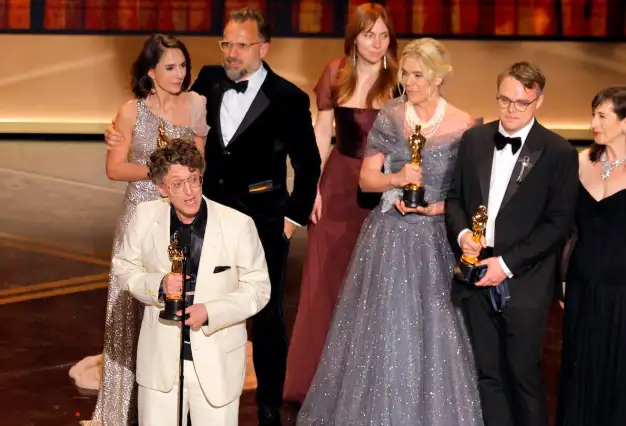
Students also shared in the success of Czech film in 2017. Kateřina Karhánková’s animated Fruits of Clouds was selected for the competition of short films for children in Annecy, followed by invitations to numerous festivals. Fruits of Clouds’ success culminated at Cinekid, where it walked away with the honors as Best European Short Animation. Marie Dvořáková, a graduate of Prague’s FAMU currently studying at NYU’s Tisch School of the Arts, won a prestigious Student Academy Award from the American Film Academy for her short film Who's Who in Mycology, the humorous tale of a young musician, whose life turns upside down.
Coproductions Catch Fire
This year was rich in coproductions, especially with the Czechs’ closest neighbor, Slovakia. The poetic film Little Harbour, by Iveta Grófová, celebrated success already in February, at the Berlinale, winning the Crystal Bear from the Children’s Jury for Best Film in the Generation Kplus section. Grófová’s film, the story of an 11-year-old girl who finds her own little family to compensate for her mother’s lack of interest, won many other awards at international festivals throughout 2017, including at the Olympia iFF in Greece and the Silk Road iFF.

Other Czech-Slovak coproductions that made an impact were Filthy (directed by Tereza Nvotová, premiered at Rotterdam), Out (directed by Gyüri Kristóf, premiered at Un Certain Regard in Cannes), and Nina (directed by Juraj lehotský, with an international premiere in Toronto).
Documentaries Deliver
Czech documentaries held their own as well, with three films screening at the IDFA in Amsterdam. The World According to Daliborek, Vít Klusák’s portrait of a “gentle neo-Nazi,” was the subject of extensive debate after its premiere in Karlovy Vary, and showed in the Masters section of IDFA. The First Appearance Competition featured Nothing Like Before, by the creative duo Lukáš Kokeš and Klára Tasovská, depicting the life of contemporary teenagers in the Czech-German border region. The third Czech film — selected for the IDFA Competition for Mid-length Documentary — was journalist Petr Horký’s directing debut, The Russian Job, which follows a Swedish manager’s attempt to revive the famous Russian car manufacturer Lada.