11 February 2017
Let's Play Family!
Little Harbour by Iveta Grófová at Berlinale’s Generation Kplus
Let's Play Family!
Little Harbour by Iveta Grófová at Berlinale’s Generation Kplus

Little Harbour, the second feature by Slovak director Iveta Grofova, tells the true, unsettling story of an 11-year-old girl. It celebrates its world premiere as part of Berlinale’s Generation Kplus.
Article by Louise H. Johansen for Czech Film Magazine / Spring 2017
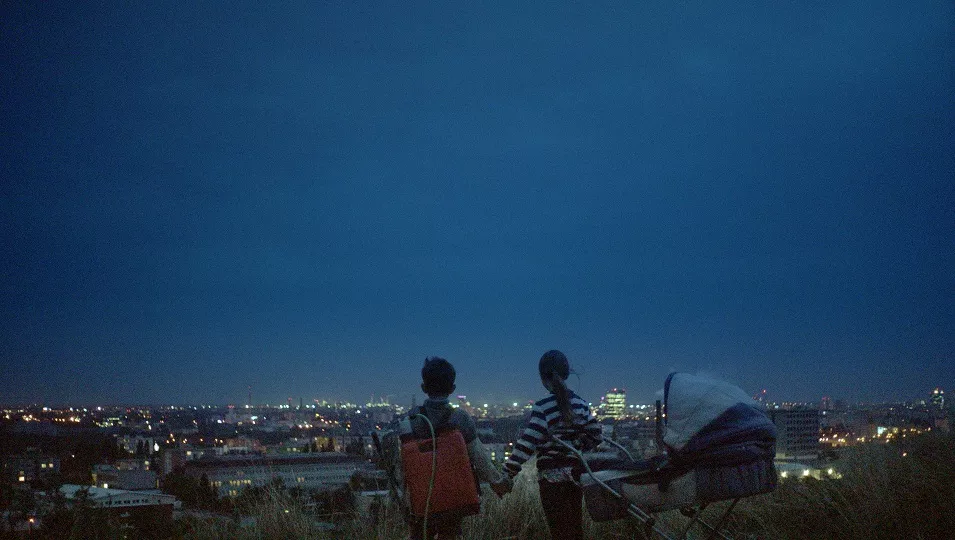
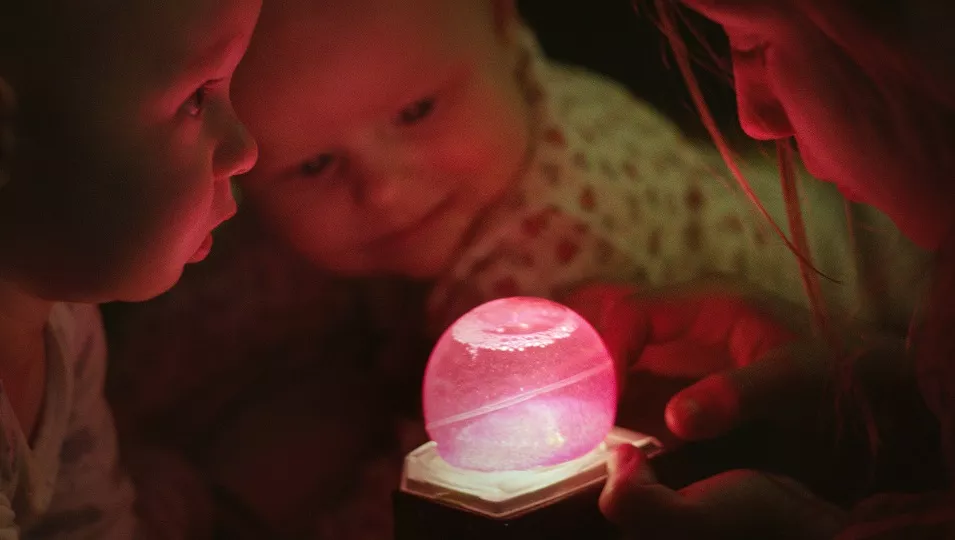
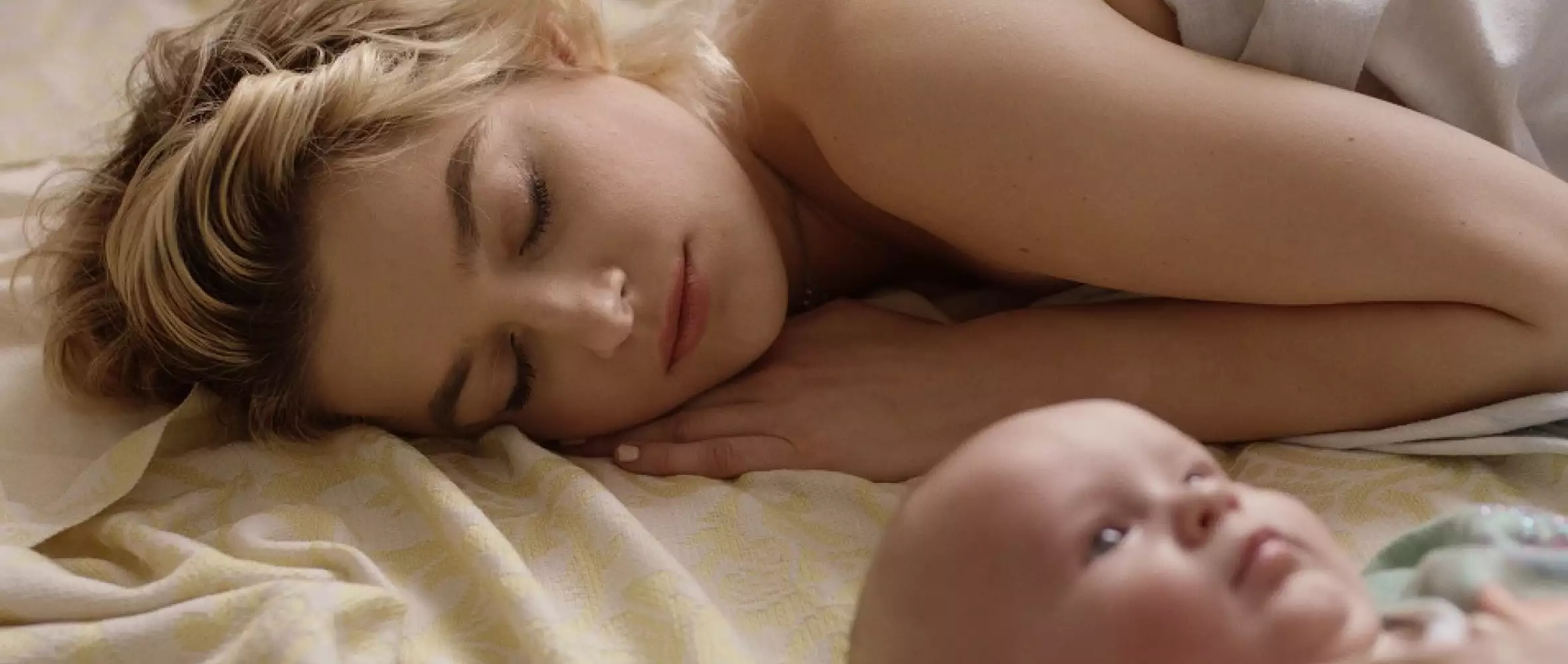
Jarka is left alone with nothing but her imagination to fend off the loneliness. This controversial story of a girl who is abandoned by her young partying mother and runs away with a pair of twin babies she finds at the train station, is based on an actual event that took place in the Czech Republic. The story was first adapted into a novel, titled The Fifth Boat, by Monika Kompaníková, then brought to the screen by Iveta Grófová and Marek Leščák. Starting out as a classic tale of harsh neglect, the story takes a turn to become a film of magical realism, visually evoking the world of children and their imagination.
We spoke to Iveta Grófová, Slovak producer Katarína Krnáčová, and Czech producer Jiří Konečný about the challenges of working at eye level with young actors and audiences alike.
Cast Is Key
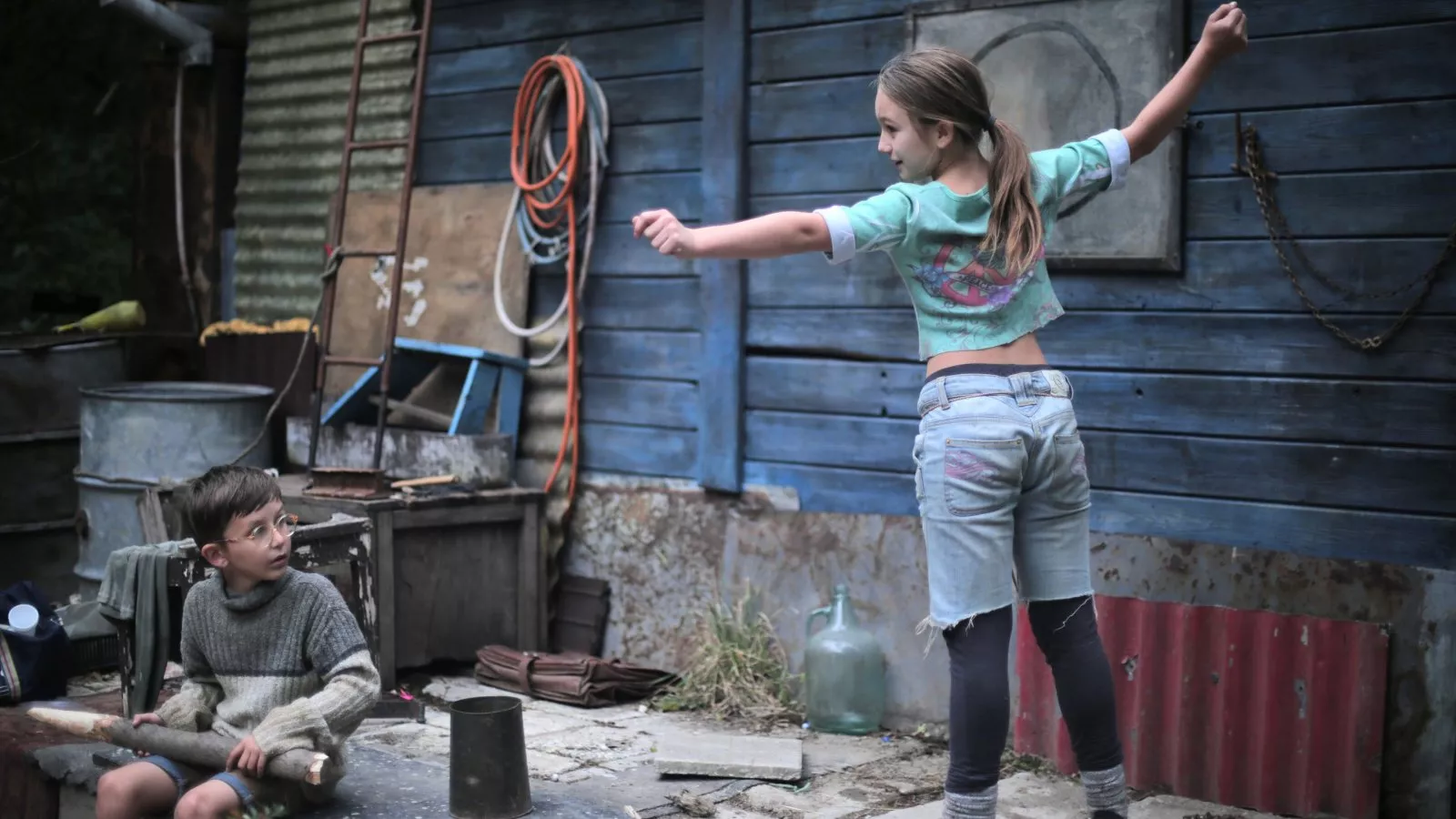
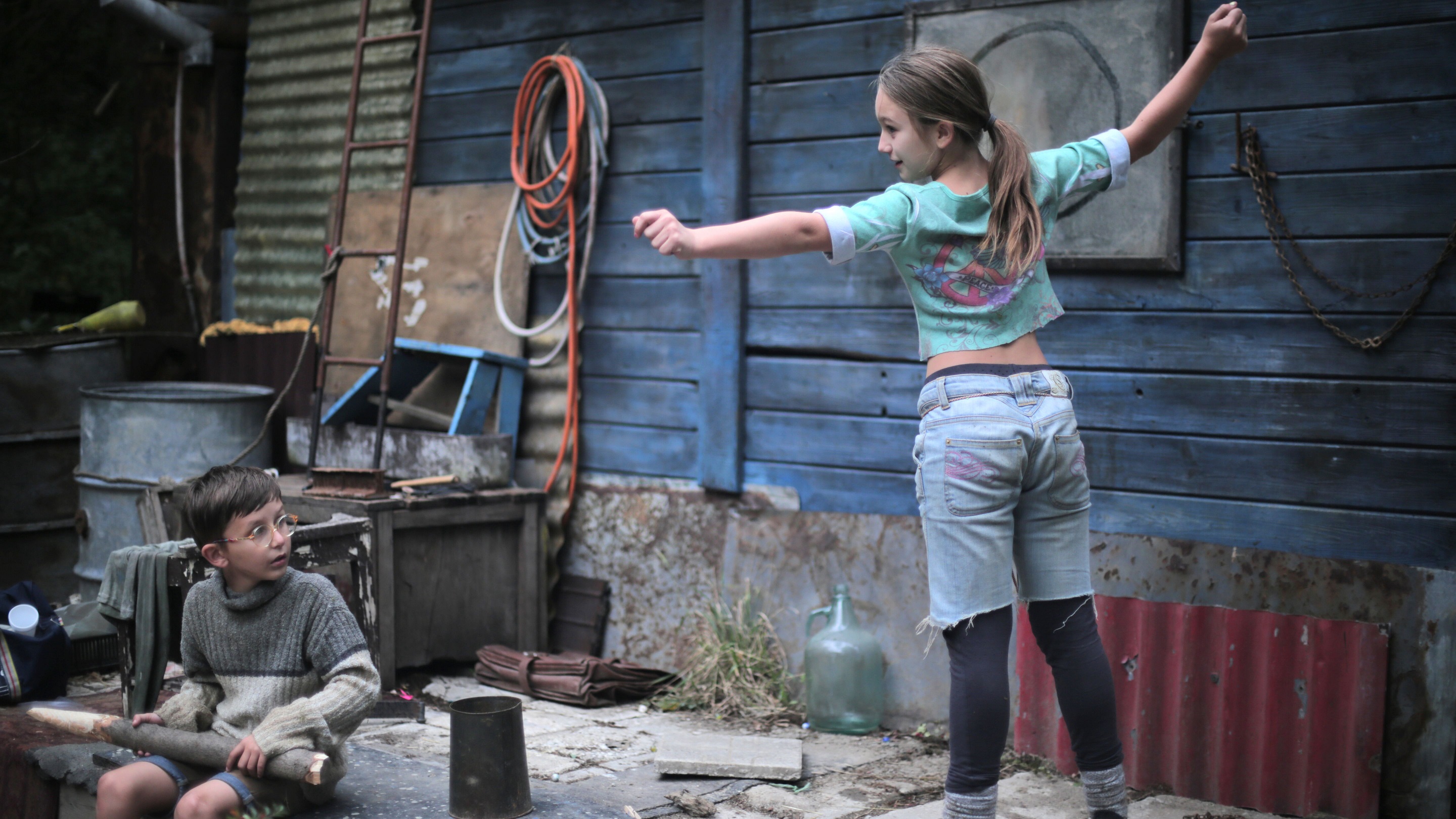
Take Jarka, the main character, who’s in every take on screen. “The whole film hinges on her performance,” says the director of her star, Vanessa Szamuhelova. The casting process started in 2013, and Grófová says she wasn’t willing to také any shortcuts. “Instead of accepting offers from casting agencies, I went looking for kids in schools, camps, and sports facilities all over Slovakia. A hundred girls made it to the second round, and I did short rehearsals with all of them.”
“The main thing I was looking for in all the actors was appeal and charisma, like the characters in the book. That’s why I cast singer Katarína Kamencová as the young mother, Lucia, even though she had no acting experience. On the other hand, I chose the excellent Czech actress Johanna Tesařová to play the role of the grandmother, Irena.” Grófová clearly draws on her background and methods from documentary filmmaking, as she did for her debut feature, Made in Ash (2012). In Little Harbour, she shows a great sensitivity to the nonactors and their real-life experiences.

And, as producer Katarína Krnáčová explains, “During the process, we realized that most of the cast had even more in common with the characters they were playing than we initially realized.” “I spent a lot of time in pre-production with Vanessa,” says Grófová. “We rehearsed a few of the challenging scenes that needed more preparation. The easier scenes we rehearsed just a few days before shooting. I didn’t want the kids to miss out on that precious moment when you discover something new and interesting.” From the producers’ perspective, the main concern was to create a safe and comfortable environment, while still leaving space for creative improvisation. “It’s important to find kids who have the energy and endurance to handle the diffi cult process of shooting. You can’t push them too hard,” says producer Konečný.
Children’s Realism
One key to the film is the realism of the characters and their environment in the suburbs of Bratislava, the Slovak capital city. Another is to illustrate the way the kids use their imagination to survive their gritty reality. Here Grófová succeeds in creating a fantastical world not unlike the one seen in recent festival darling Swiss Army Man. Anything can be used as a tool or a toy as the kids’ world literally takes the shape of a ship — and from there out, anything is possible. The director leans on her studies in animation to give Little Harbour its magical realist touch.
The camerawork of DoP Denisa Buranová was also essential in creating the feel of eye-level and intensity. As Grófová says, “We focused on telling the story using closer shots. The camera often gives signifi cance to tiny details and fragments of life that become magical when seen through the eyes of children.” The result is a strong, playful, even feminine film that can appeal to young adults and families alike. As producer Krnáčová points out, the key members of the crew are all women. “This film has a female perspective, from the start all the way to its dominant target audience: daughters, mothers, and grandmothers.”
Society as a Backdrop
How do you balance a fantastical plot with the sociopolitical context of the novel’s original story? “I see the film mainly as a personal quest by Jarka, but obviously it reflects the reality of our society,” says the Czech producer, Konečný. The director herself elaborates: “I tried to play into the social context, but along the way I changed my mind. For me, it’s more appealing and more powerful to portray the internal mental process children use to protect themselves from the cruelty of life. The external world of ‘adults’ and society just slips into the background.” When asked about the release strategy, and whether they see any potential for the film to be studied in schools, Slovak producer Krnáčová says, “We do plan to work with schools in distributing the film. It still isn’t very common to do that in Slovakia, so we’re looking for ways to attract students to see the fi lm and hold discussions with the fi lm crew and experts, like a psychologist.”
Produced by Katarína Krnáčová, Iveta Grófová
– Hulapa film (SK), Jiří Konečný
– endorfilm (CZ)
Coproduced by Katapult Film (HU), RTVS (SK), Silverart (SK)
Supported by Slovak Audiovisual Fund, State Cinematography Fund Czech Republic, Eurimages, Creative Europe Media, Ministry of Culture, Slovak Republic, Bratislava Self-Governing Region
International Sales: Loco Films
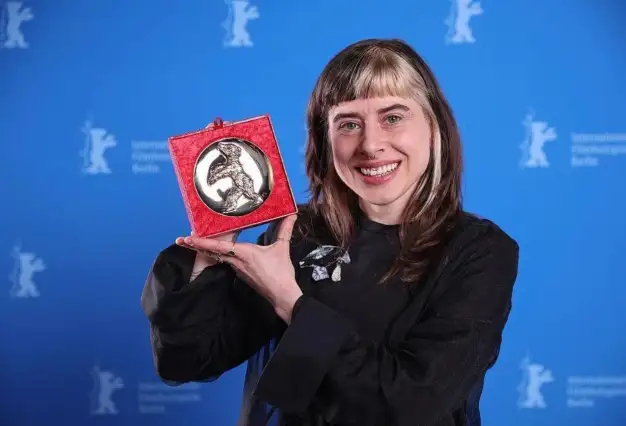
IVETA GRÓFOVÁ, Hulapa Film, Slovakia, graduated from the Academy of Performing Arts in Bratislava in 2009, and holds a doctoral degree from the Documentary Department. She has directed both animation and documentaries, and her debut feature, Made in Ash, was Slovakia’s entry for the 2013 Academy Awards. She co-wrote, produced, and directed Little Harbour.
JIŘÍ KONEČNÝ, endorfilm, Czech Republic, is the producer of Family Film (2015), by Olmo Omerzu; Aferim! (2015), by Radu Jude, and Koza (2015), by Ivan Ostrochovský. He was also one of the producers for Iveta Grófová’s debut feature, Made in Ash (2012).
KATARÍNA KRNÁČOVÁ, Silverart, Slovakia, has produced shorts and documentaries since 2009. She is a graduate of Ex Oriente 2009 and EAVE 2015. Recently, she founded the production company Silverart, with a focus on debuting feature film directors, and she has two features and a TV series in development.