22 December 2017
Happily Married: Czech Minority Coproductions
Happily Married: Czech Minority Coproductions

Czech production companies are increasingly entering into minority co- productions, with projects screening at festivals from Berlin to Cannes.
Article by Tomáš Stejskal for Czech Film Magazine / Spring 2018
During a panel discussion on minority coproductions at Karlovy Vary in 2010, Peter Zawrel, head of the Austrian Film Fund, likened this kind of international collaboration to a marriage. Přemysl Šoba, representing the Czechs on the panel, quipped that in that case, the Czechs were still on their honeymoon. Seven years later, it seems the honeymoon is over and the marriage is in full swing.
Seven years ago, the Czech Film Fund allocated more than a million euros a year for minority coproductions. Since then, numerous internationally successful projects have been created with the support of Czech money and expertise. One of the first major achievements was the Danish-Swedish-Czech period costume drama A Royal Affair (2012), which, except for two filming days in Dresden, director Nikolaj Arcel shot entirely in the Czech Republic. More than 13 percent of the budget came from the Czech side, with the Czech Film Fund contributing CZK 4 million (€143,000) and incentives reaching almost CZK 13 million (€4.6 million). Not only did local coproducer Sirena Film secure the locations (including the Kroměříž Castle, nearby gardens, and Český Krumlov), but several Czech actors were cast in the film, including Nikol Kouklová.

Most of the crew were Czech, and famed set designer Martin Kurel oversaw the production design. His craft and know-how were a great contribution to the film’s authenticity, leading to two Silver Bears at the 62nd Berlinale: Mikkel Boe Følsgaard as the male lead, and Nikolai Arcel and Rasmus Heisterberg for screenplay.
The Czech-French Connection
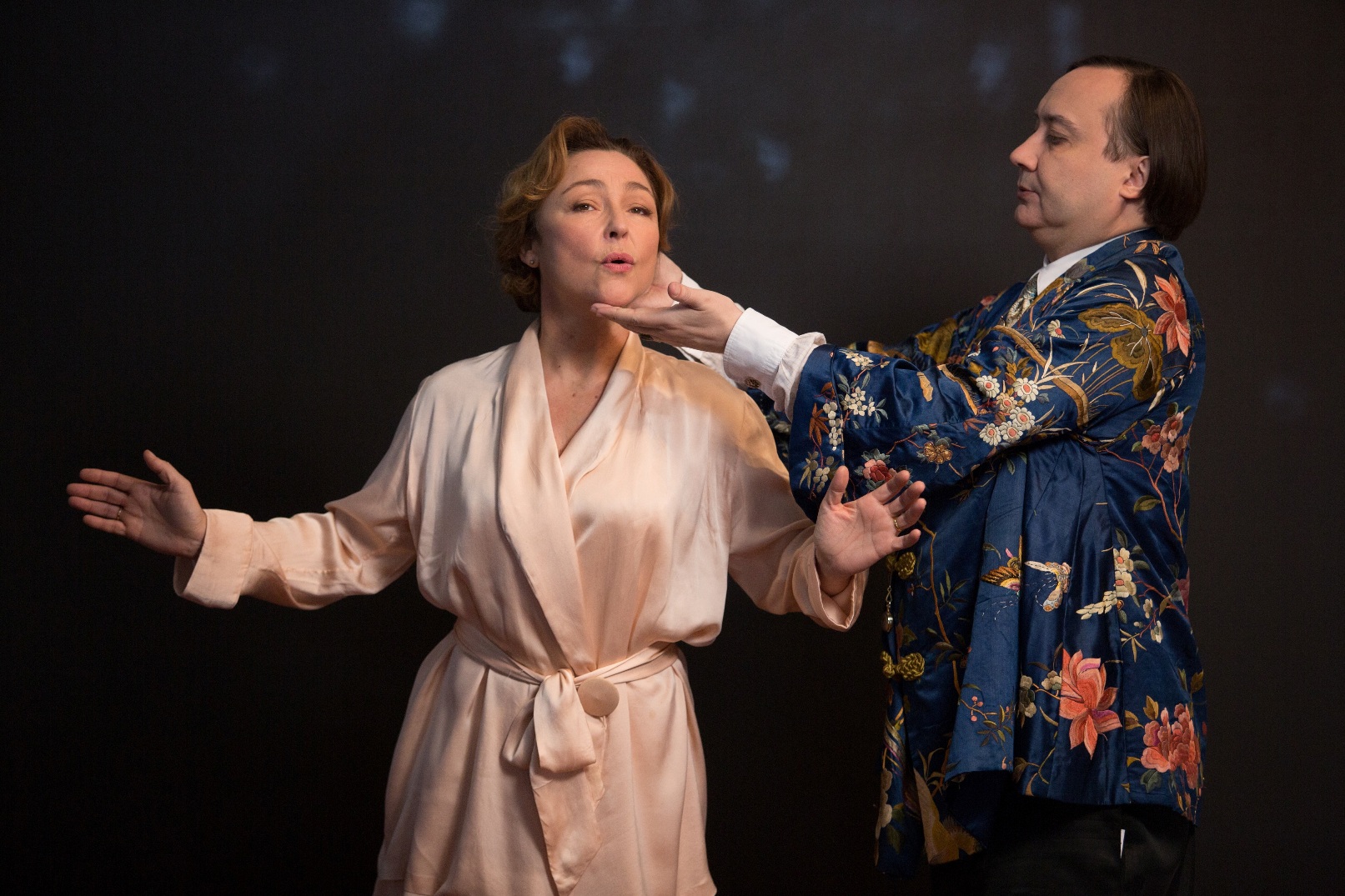
Besides Nordic films, Sirena Film focuses on French coproductions. Producer Artemio Benki has a nose for projects that breakthrough at even the biggest festivals. The biographical drama Marguerite (2015), about “the world’s worst opera singer” Florence Foster Jenkins, was a French-Czech-Belgian coproduction. Director Xavier Giannoli decided well in advance to shoot the movie in Prague. “Years ago, I was walking around Rudolfinum, listening to the Jenkins recordings in my headphones, when it all connected and I knew I was going to shoot here,” he told the Czech magazine Reporter.
“He was completely absorbed in the story, talking about it all the time and stressing how much he wanted to shoot it in Prague,” said Benki. He said he and Giannoli went for walks through the city, hanging out in cafés and discussing this fascinating story of a woman who could not sing, yet performed as an opera diva.
The film, which was shot in several places around the Czech Republic — from theaters in Prague and Brno to the Slapy Chateau, where Marguerite lives with her aristocratic husband — has been sold to more than 125 countries since its premiere at the Venice IFF. The Czech coproduction contribution was 10.3 per cent; the film, except for two days, was shot entirely in the Czech Republic; most of the crew were Czech; and Czech production designer Martin Kurel won the César in France for best-set design.
Prague’s Art Nouveau architecture also played an important role in another biographical drama coproduced by Sirena Film. But debut director Stephanie Di Giusto didn’t conceive of The Dancer (2016), her ambitious project about modern dance icon loïe Fuller, as just another biopic. She not only presents the original concept of dance with special effects, lights and complex sets, but also gives audiences a story about the birth of modern art, with the dance pieces, thanks to the great cinematographer Benoit Debie, approaching a whirl of Cubist abstraction. The French actor and singer Soko stars, alongside Gaspard Ulliel, Lily Rose Depp, and Mélanie Thierry.
The key scene of an “ideal dance performance” was shot in Prague, where the production filmed 10 days with Czech actors in supporting roles. The Czech coproduction share was 10.5 per cent, the film received CZK 2 million from the minority coproduction budget of the Czech Film Fund, and film incentives amounted to CZK 3.2 million. “I needed a beautiful hall, but the original Folies Bergère in Paris has been completely renovated,” said Di Giusto. She was looking for the place of Fuller’s dreams for her “ideal performance,” the one contemporary critics were so excited about, including the poet Mallarmé. “I was looking for the place in Europe where Art Nouveau is best preserved. As soon as I saw Prague’s Municipal House [Obecní dům], I knew that was it,” Di Giusto said. “That was where I would shoot the scene.”
Two years ago, the French-Czech-Belgian project The Dancer competed in Un Certain Regard at Cannes, and another minority coproduction with a significant Czech contribution screened there last year. Financially speaking, the Czech share in György Kristof’s debut, Out, a Slovak-Hungarian-Czech coproduction, was “just” 20 per cent. However, according to coproducer Jiří Konečný of Endorfilm, the Czech artistic investment played a role in the movie’s selection for Cannes.
“Editing and sound were the key elements,” said Konečný, praising the work of editor Adam Brothánek and recording engineer Jan Richter. Image and sound postproduction were handled by the Czech outfits UPP and Bystrouška. The film, with a total budget of about CZK 32 million, received CZK 3.5 million from the Czech Film Fund.
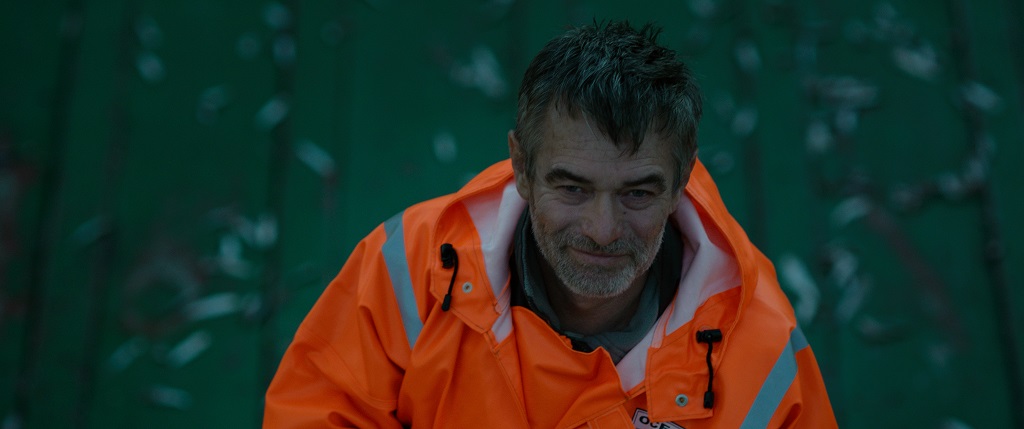
What drew Konečný to the project was the originality of Out’s seemingly ordinary story. “An older guy loses his job and dreams of being a fisherman. Then one day he goes to work at the shipyards in the Baltic, only to find out it’s a scam. I think it’s a very courageous idea,” Konečný said. He added that he’s a believer in producer culture. “A producer’s courage, and the decisions producers make, can shape the whole film environment,” he said.
Czechs on the Romanian Road
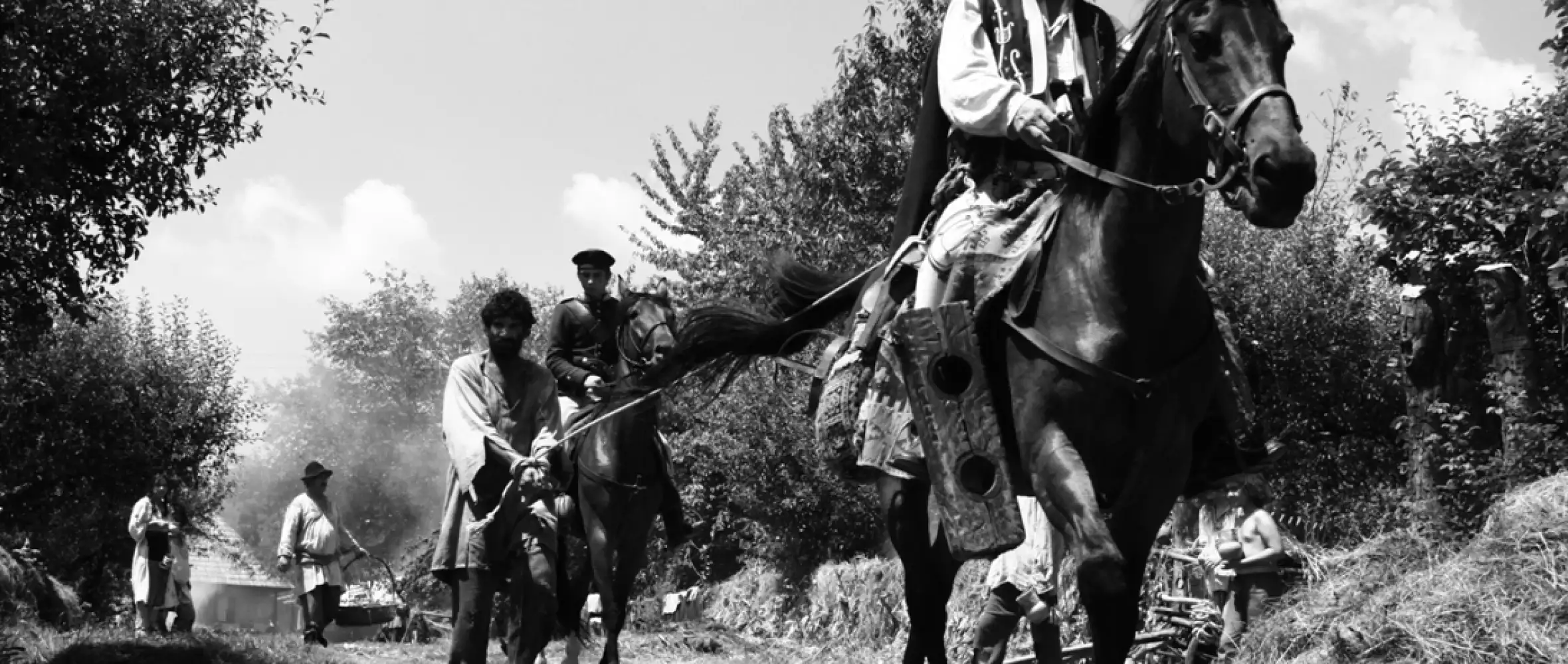
The increasing flexibility of Czech institutions also helped in a slightly older project, where Konečný took part only in the late stages of production. The Romanian-Czech-Bulgarian “western” Aferim! (2015), by renowned director Radu Jude, was post-produced by UPP, a Prague-based outfit that offers world-class post-production and visual effects, with work ranging from major Hollywood productions to festival art films, including Blade Runner 2049.
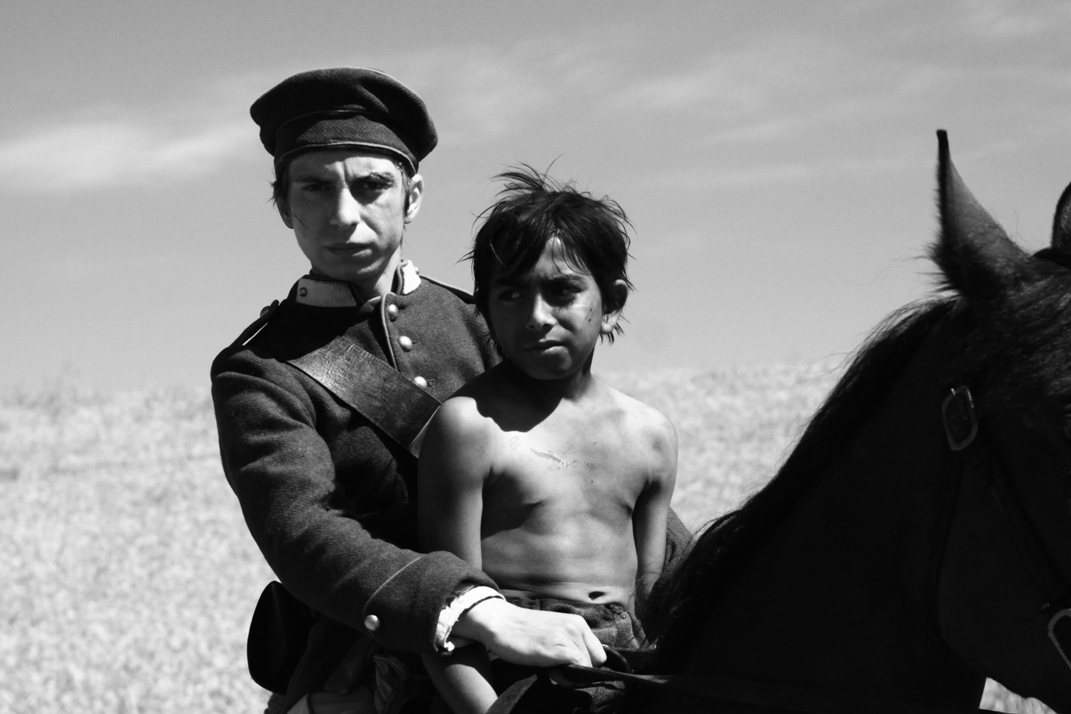
The black-and-white satire Aferim!, set in the Wallachian region of Romania in 1835, tells the story of two policemen’s search for a runaway Romani serf who has an affair with the local aristocrat’s wife. Sarcasm and sharp social commentary intertwine throughout with soft light landscapes, filmed on classic 35mm material. With CZK 3 million in support from the Czech Film Fund, Aferim! was finished, and Jude took home the award for Best Director from Berlinale 2015.
Now Konečný is putting together Jude’s new film, "I Don’t Care Whether History Remembers Us as Barbarians", with Romanian producer Ada Solomon. The film tackles the taboo topic of national guilt, telling the story of a young theater director who attempts to stage a dark chapter of history in which the Romanian army, as allies of Nazi Germany, brutally exterminated 20,000 Jews. The project, with a total budget of €1.4 million, was presented at the CineMart co-production market in Rotterdam, and has already been supported by the Creative Europe MEDIA Program and Eurimages, as well as received CZK 3 million from the Czech Film Fund a year ago.
Also last year, several minority coproductions enjoyed success. First, the Slovak-Czech-Hungarian coproduction Little Harbour (2017), coproduced by Jiří Konečný of Endorfilm, was named Best Film in the Berlinale’s Generation Kplus section. Director Iveta Grófová of Slovakia, working with Czech actors and the set designer Iva Němcová, created a remarkable mix of social drama and lyrical childhood adventure, which appealed to the children’s jury.
Then, also in Berlin, Spoor (2017), by three-time Oscar-nominated Polish director Agnieszka Holland, daringly oscillating between crime, thriller, comedy, and utopian fairy tale, took home the Alfred Bauer Prize for artistic contribution. Czech actor and director Miroslav Krobot was cast as one of the leads of this Polish-German-Czech-Swedish-Slovak coproduction. Czechs handled postproduction, and visual effects, and, in scenes with tamed wild animals, played a crucial role in this drama about the conflict between a feminist eco-activist and local hunters. The Czech Film Fund contributed CZK 3 million, and Czech screenwriters Štěpán Hulík and Pavel Hrdlička worked on the screenplay.
Holland, a Polish director who studied film in Prague, says this is her most Czech film: “Because the comic side mingles with realistic and even moralistic aspects, I find it has a certain Czech sensitivity.” Producing for the Czech side were Pavla Janoušková-Kubečková and Tomáš Hrubý from nutprodukce.
Animation in Good Shape
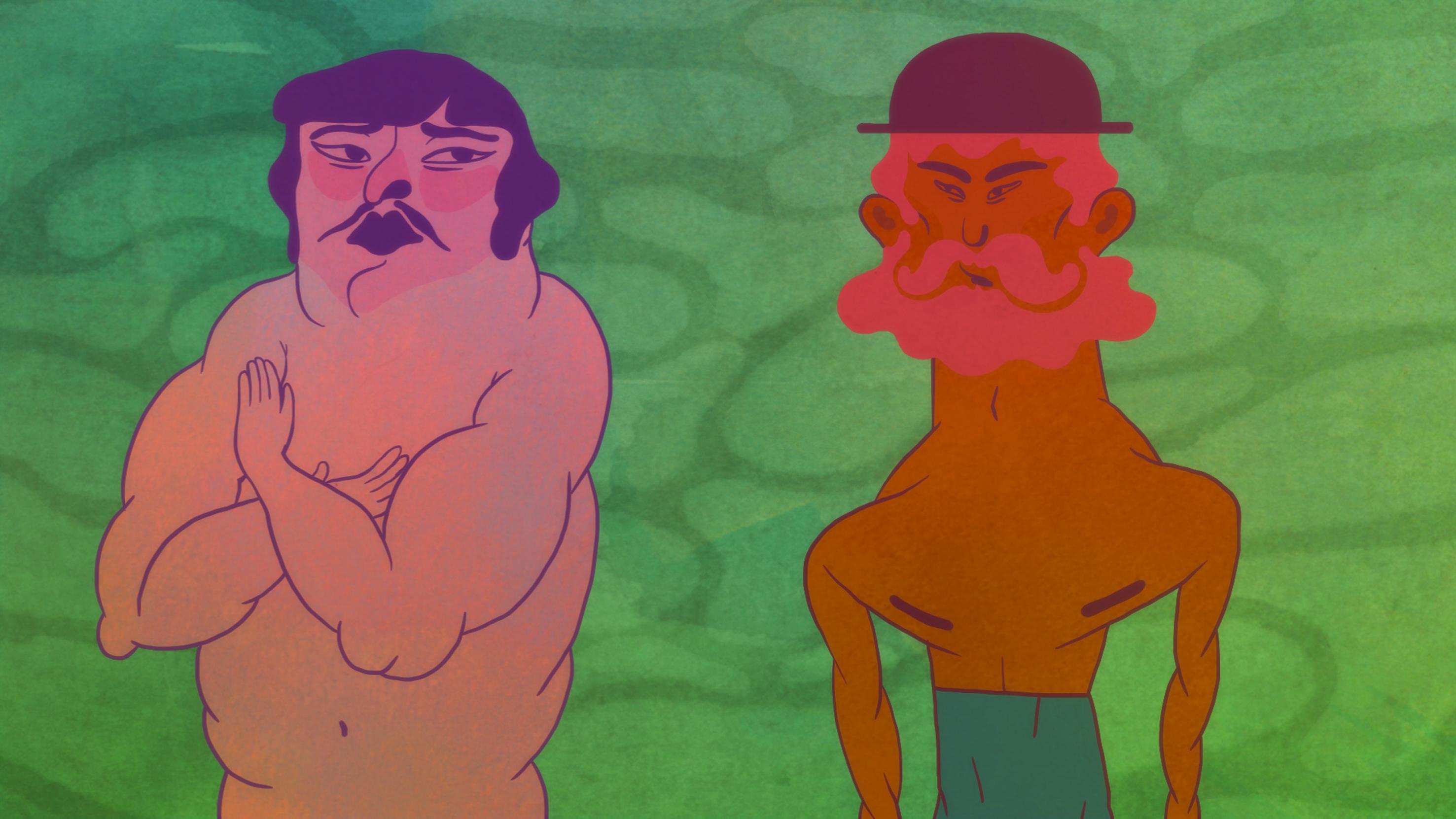
Animation is doing well, too. Due to increased support from the Czech Film Fund, Czech animators now have more opportunities to build on their rich domestic tradition. At the same time, thanks to Martin Vandas’s production company MAUR film, there are also some great minority coproductions. The Hungarian-Czech-Slovak short film Superbia, by director and animator LucyTóth, was selected to La Semaine de la Critique in Cannes as the only animated film last year. The project received CZK 540,000 from the Czech Film Fund. Now, after this surrealistic, colorful film, Vandas is participating as coproducer in several feature-length projects in development.
Fritzi - A Revolutionary Tale is a German-Belgian-Luxembourgian-Czech coproduction. Based on the Hanna Schott book of the same title, it offers a look at the political events in Leipzig of 1989 through the eyes of a child. From the start, MAUR film has been involved in funding this project, with a high price tag of about €5.5 million. The Czech contribution is about 10 percent, and Alena Vandasová from MAUR film admits it’s getting more difficult to take part in costly animated projects with coproduction partners from Western Europe. Fritzi, a 2D cartoon animation, will be partially animated in the Czech Republic, where the music will be recorded as well.
However, there is no lack of creativity among domestic animators. The Crossing follows the dramatic escape of two siblings from an unidentified East European country and is currently being animated at Demo studio in Prague, using Umton oil paints for the paint-on-glass process. The film is directed by Florence Miailhe, and has been co-funded by MAUR film from start, five years ago. The French-German-Czech coproduction has a Czech share of about 13 per cent, with CZK 1.7 million coming from the Czech Film Fund.
Czech Television is also a co-producer. “The best way is to bring projects like this here and let Czech artists work on them, developing the craft and the animation profession,” Vandas said. For the future, he’s looking into more joint ventures within Central and Eastern Europe: “Slovakia, Slovenia, Poland,” he says.
Finally, one example in the field of documentaries, Radim Procházka is currently co-producing a truly international project. The Vasulka Effect, by Icelandic director Hrafnhildur Gunnarsdóttir, is mostly filmed in the United States and Mexico, featuring the work of New York-based video artists Steina Vasulka and her partner, Woody Vasulka. These Czech emigrants are portrayed throughout their careers, although the movie also looks at their relationship as a couple.
As we move into 2018, here’s hoping the Czech coproduction honeymoon has come to a happy end and will continue to grow into a long and fruitful marriage.