09 October 2017
Beyond the Borders of Czech Experience
Focus: Documentary
Beyond the Borders of Czech Experience
Focus: Documentary

An attempt at resuscitating a famous Russian car manufacturer, a stylised portrait of teenagers in the Czech-German border area, a Slovak student who starts a nationalist militia out of fear. Those are the themes of three upcoming Czech documentaries, promising an interesting experience within the European context.
Article by Hedvika Petrželková for Czech Film magazine / Fall 2017
In addition to promising, original topics, the projects also have in common the fact that their authors travel outside the country to their objects of interest — or at least to the borders.
Soviet Dream on the River
The fate of a languishing Russian car factory, tagged to be brought back to life under new Swedish management, is the topic of The Russian Job, journalist Petr Horký’s cinematic debut. He came across the subject by chance when he was sent to the Avtovaz car factory, which produces the famous Lada cars, to write a report for a business publication.
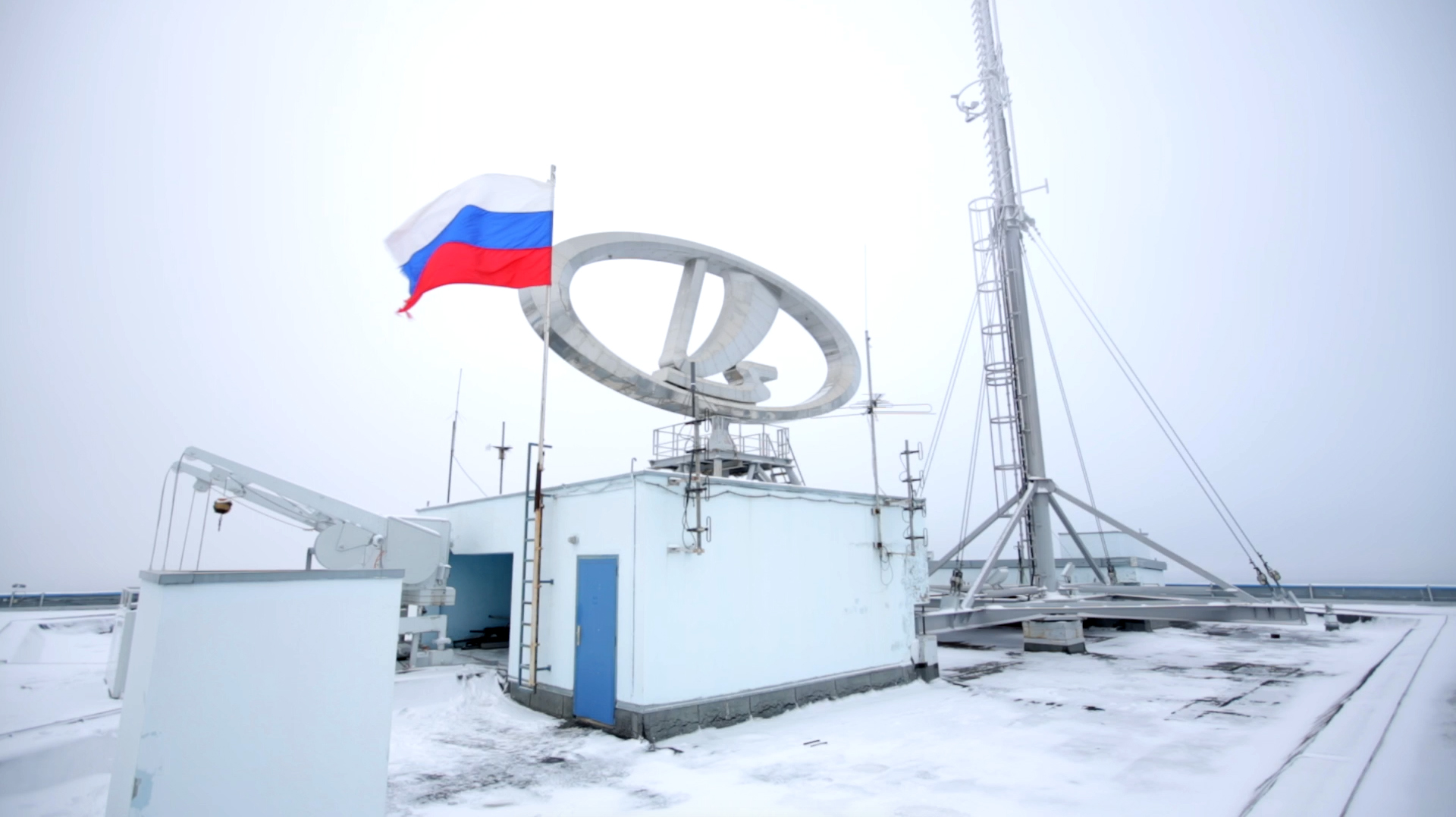 “The management invited me because this was the first time an iconic Russian business was being handed over to a foreigner, a Western manager. His job was to get this unprofitable behemoth into shape. After I came back to Prague, the experience stayed in my head. It was a fascinating setting: the crumbling stage set of the Soviet dream on the river Volga. There are people in that town who really lived the Soviet dream in the ’70s and ’80s, and they refuse to abandon it. And suddenly, here comes someone from the West, destroying those dreams. I thought it would make for a great film,” says Horký. The resulting film isn’t a report on automobile manufacturing, but on the conflict of two mindsets: the Western outlook on the one hand, and the post-Soviet on the other. “Its representatives live in the past, which they remember as the time when their city was the youngest in the Soviet Union, a destination for talented people from all over the country: athletes, artists. The city built cars for the whole Communist bloc and was proud of it. That’s no longer the case today, but the locals still live in denial that there’s any problem. As it turns out, however, the Western side is also naive, believing that anything can be changed, that any bold objective can be accomplished,” Horký says.
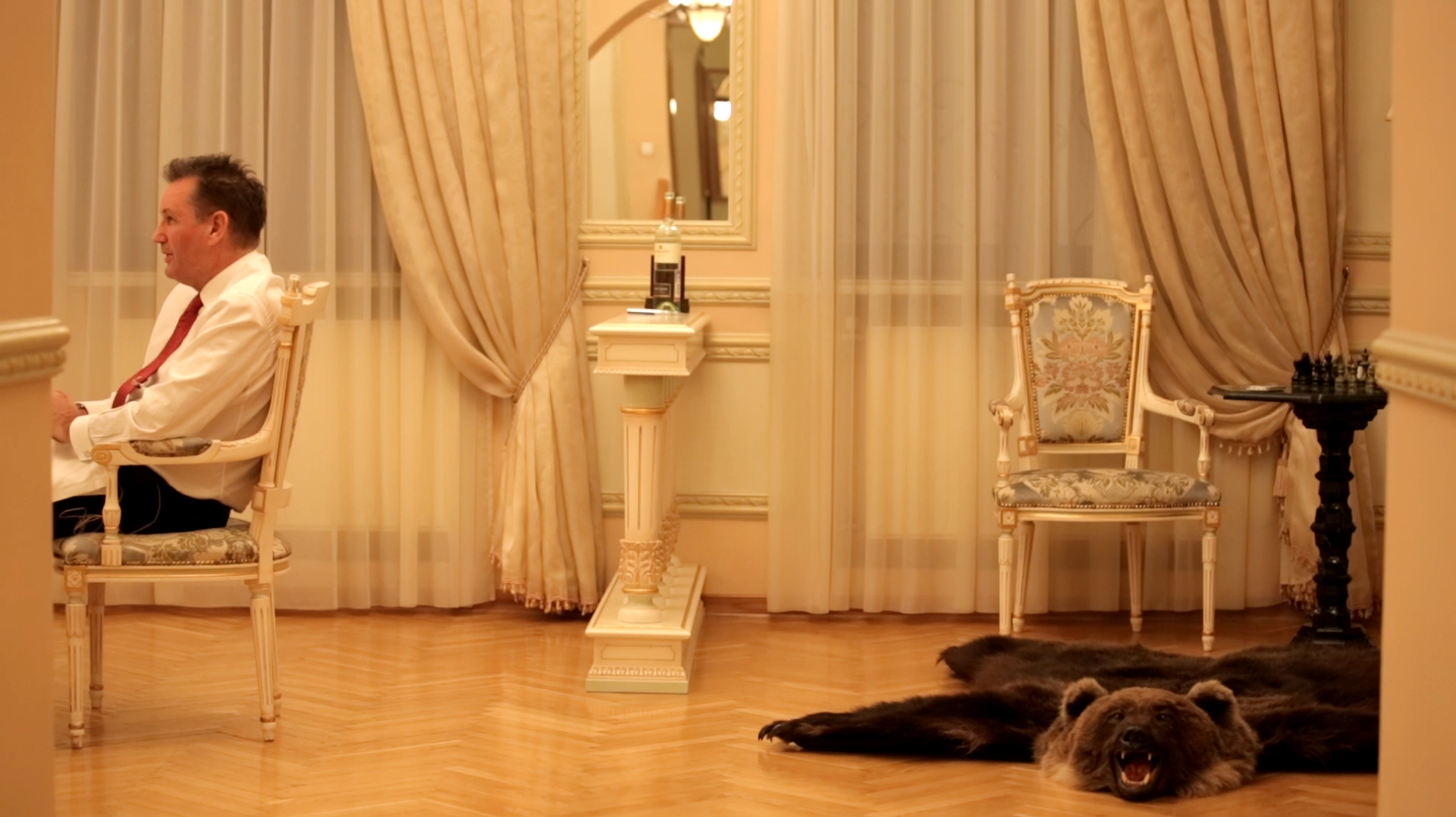 The shooting is finished and the film is now being edited. “We spent a long time looking for a way to grasp the story. The Russian Job is filmed in long, beautifully composed shots, which complicates the editor’s work. He can’t split the scene into shots: He either uses it or gets rid of it,” explains the film’s producer, Martin Jůza (Krutart). Funding comes mostly from the Czech Film Fund, with Czech Television as co-producer. “First we got some money for development from the Czech Film Fund. That’s how we discovered European documentary pitching forums, thanks to which we arranged some pre-sales and a sales agent. We’ve already sold the film to Sweden and the Balkans, and we also have interest in Austria, Germany, France, Italy, Denmark and other countries,” Jůza says.
The film has a budget of 209,000 euros, and the filmmakers would like to see it premiere at one of the prestigious documentary film festivals. Thanks to pitchings and workshops, we had the opportunity to meet representatives from many festivals, so we believe an interesting international premiere could work out,” says Jůza.
Marching Into History With the Militias
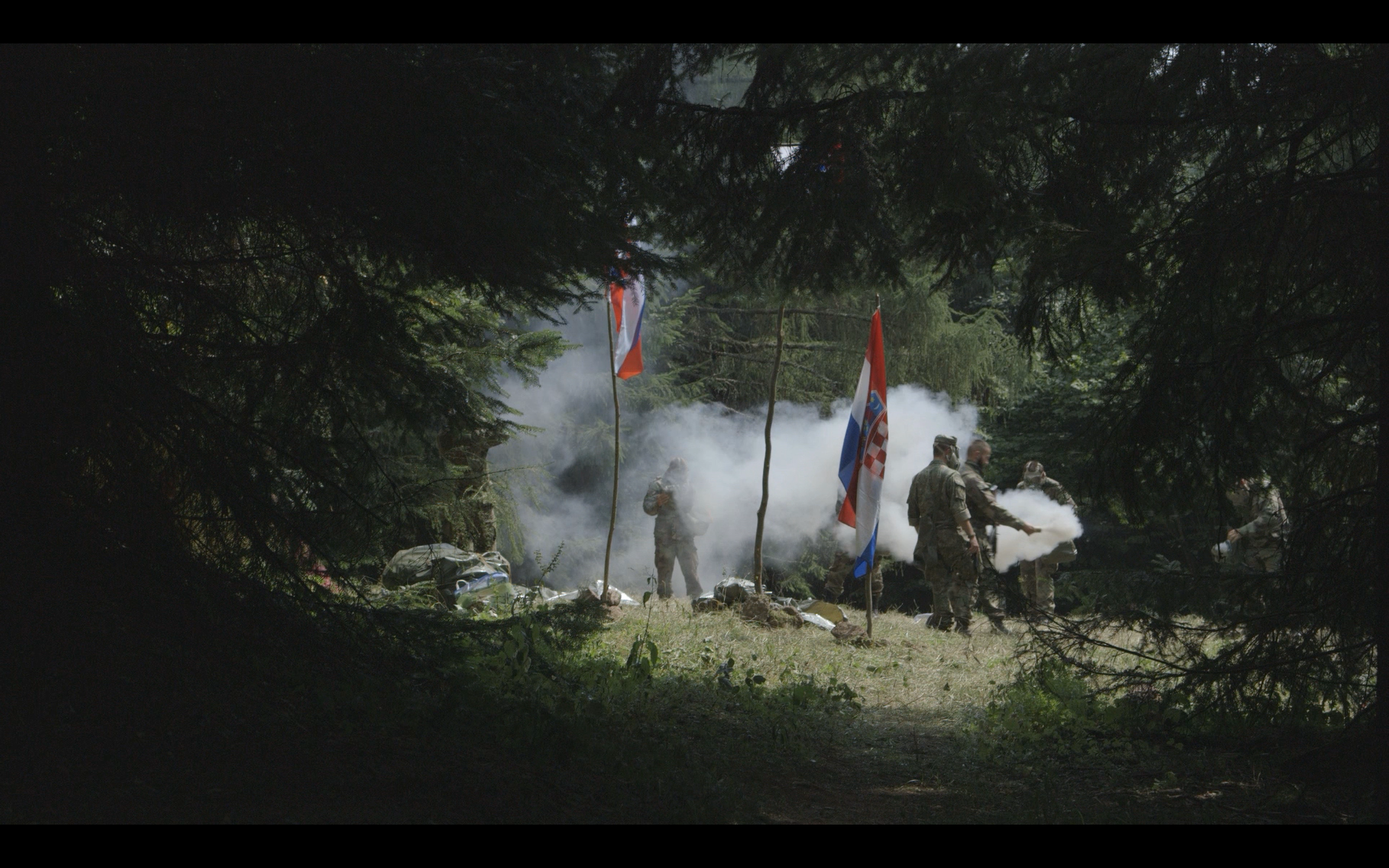
“For several years now, I’ve been noticing Central Europe, including the Czech Republic and Slovakia, shifting east. I think it’s not so much a geographical as a value-based division: egalitarianism versus authority, openness versus isolation.” These are the thoughts that led director Jan Gebert to the theme of his film, which has the working title When the War Comes. Then when he found out there was a militia of mostly teenagers in Slovakia, just a few hundred miles from his home, the theme took on a clearer shape.
The main character in Gebert’s film, now in production, is the fresh-faced university student Peter. He has a nice car and a girlfriend, but his main interest lies elsewhere: in the forest mountains, with his militia, Slovenskí branci (Slovak Recruits). With 400 young people, most of them teenagers, and units throughout Slovakia, it’s one of the largest paramilitary organizations in Eastern Europe. Peter himself underwent the same training from the Russian Cossacks as the Ukrainian separatists. The reason? He fears Europe is heading toward an inevitable clash of civilizations, and he is determined to defend the Slavic world with a gun in his hand. “Most of the militia members looked completely normal at first. I found out they study at grammar schools and universities, they lead normal lives by day. That was actually a bigger shock than if they’d started doing the Nazi salute,” says Gerbert of his first visit with militia members. He describes the situation as similar to what it was in 1930s Germany when Nazism succeeded in addressing normal, mainstream society. “The parents acknowledge the militia’s activities; the police almost always leave them alone. On TV, the militia members hear politicians like Zeman, Orbán, and Trump say and think the same things they do. This just encourages Peter.”
According to Gebert, though, Peter has greater ambitions than simply leading the militia: He wants to go down as a great figure in Slovak history. “With the Recruits, he practices working with people, speaking publicly. He’s created a kind of model totalitarian society and proclaimed himself chief for life. During training, he takes away the Recruits’ names and gives them numbers instead. I think he’d like to apply this model to all of Slovakia one day.” For Gebert, the film is mainly about the birth of totalitarianism.
The film, which has a preliminary budget of 250,000 euros, is a production by Pink Productions, HBO Europe, and the Croatian coproducers Hulahop Film & Art Production. The authors had successful presentations at several international pitching forums (Good Pitch – Britdoc, ZagrebDox, East Doc Platform, DOK Co-Pro Market), and will also present at the Gap-Financing Market, which will be held during the 74th Venice Film Festival. The premiere is planned for the end of 2017.
On the Edges of Genre
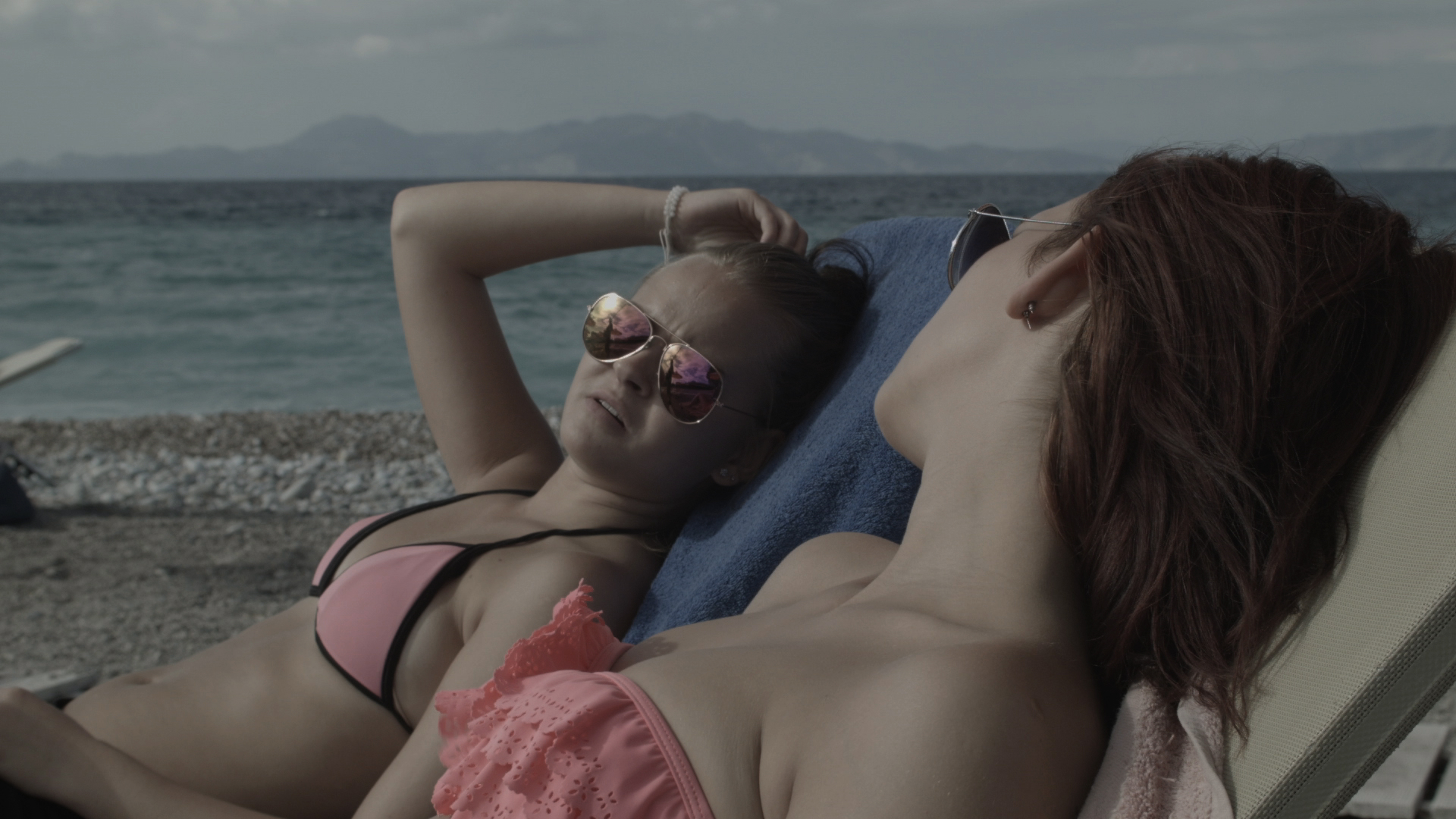
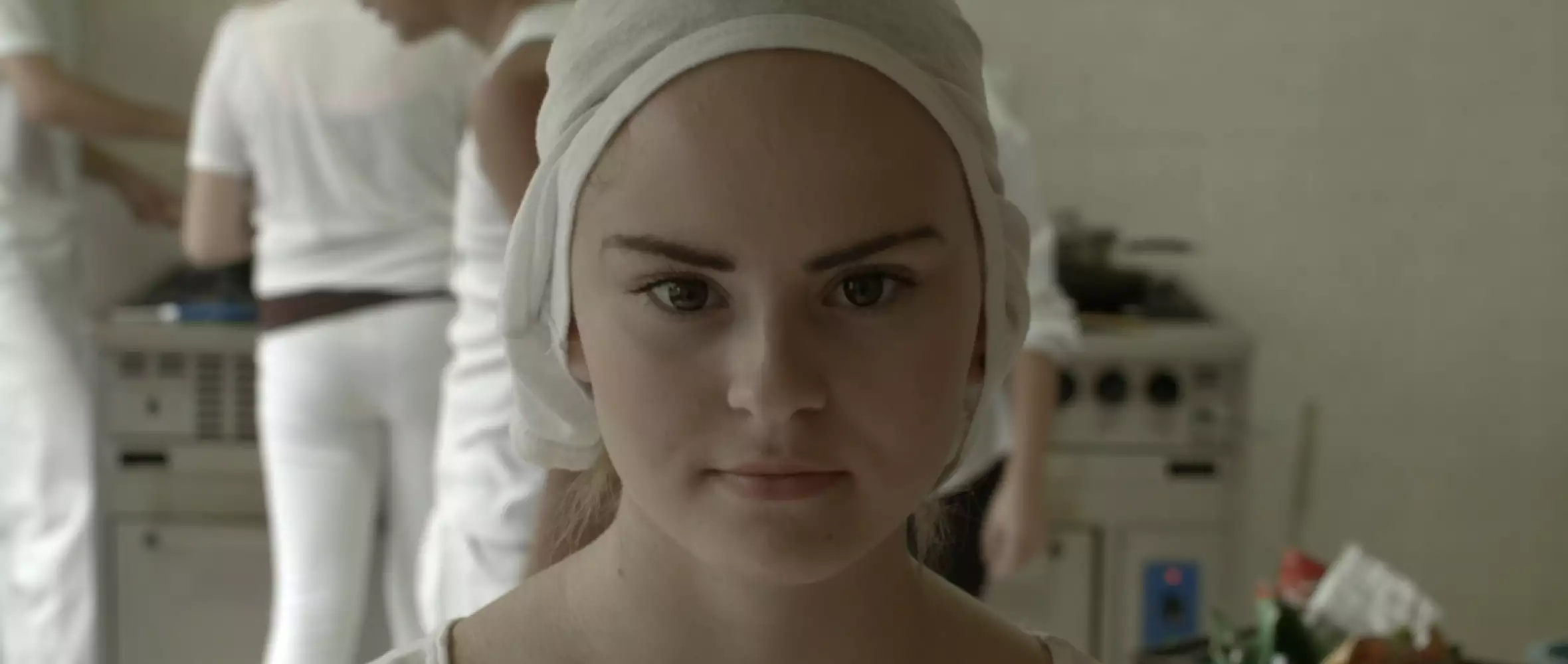
Creative duo Lukáš Kokeš and Klára Tasovská travelled to the Czech-German border region to capture the lives of local teenagers. But they envision Nothing Like Before as more than just a documentary, instead operating “on the edges of genre.”
“We wanted to make a film that was neither documentary nor feature. Just like our topic is on the edges of the Czech Republic, we’re on the edges of genre. Everything in the film is documentary, but we tried to choose a way of shooting and editing that would bring the form and language closer to the effect of a live-action art film,” says Kokeš. “I wanted to use documentary methods to achieve that moment in cinematography I love when we as viewers feel close to the characters, when we experience the world through their eyes, when we’re close to them, part of their lives for a moment.”
He and Klára Tasovská together wrote the story, featuring the lives of adolescent schoolchildren. “We thought the last years of high school life offered enough twists, dynamics, energy, and the kind of exhibitionism we needed for our method of filming. We were also looking for a place that would be interesting in itself, which we found in the North Bohemian borderlands, around the city of Varnsdorf.”
Produced by nutprodukce (Tomáš Hrubý, Pavla Janoušková Kubečková), the project is coproduced by HBO Europe, which joined in the development stages. The budget is around 150,000 euros, and the film is slated to be finished this autumn. The young team from nutprodukce previously collaborated with HBO Europe on the widely acclaimed feature-length miniseries Burning Bush (2013), directed by Agnieszka Holland and based on true stories from modern Czech history, as well as the TV series Wasteland (2016).
Minorities: Solo, Mečiar, Occupation 1968
An increasing number of minority coproductions is breathing new life into filmmaking in the Czech Republic, in the documentary world and in features alike. We look at remarkable projects currently in various stages of production; all of them were supported by the Czech Film Fund.
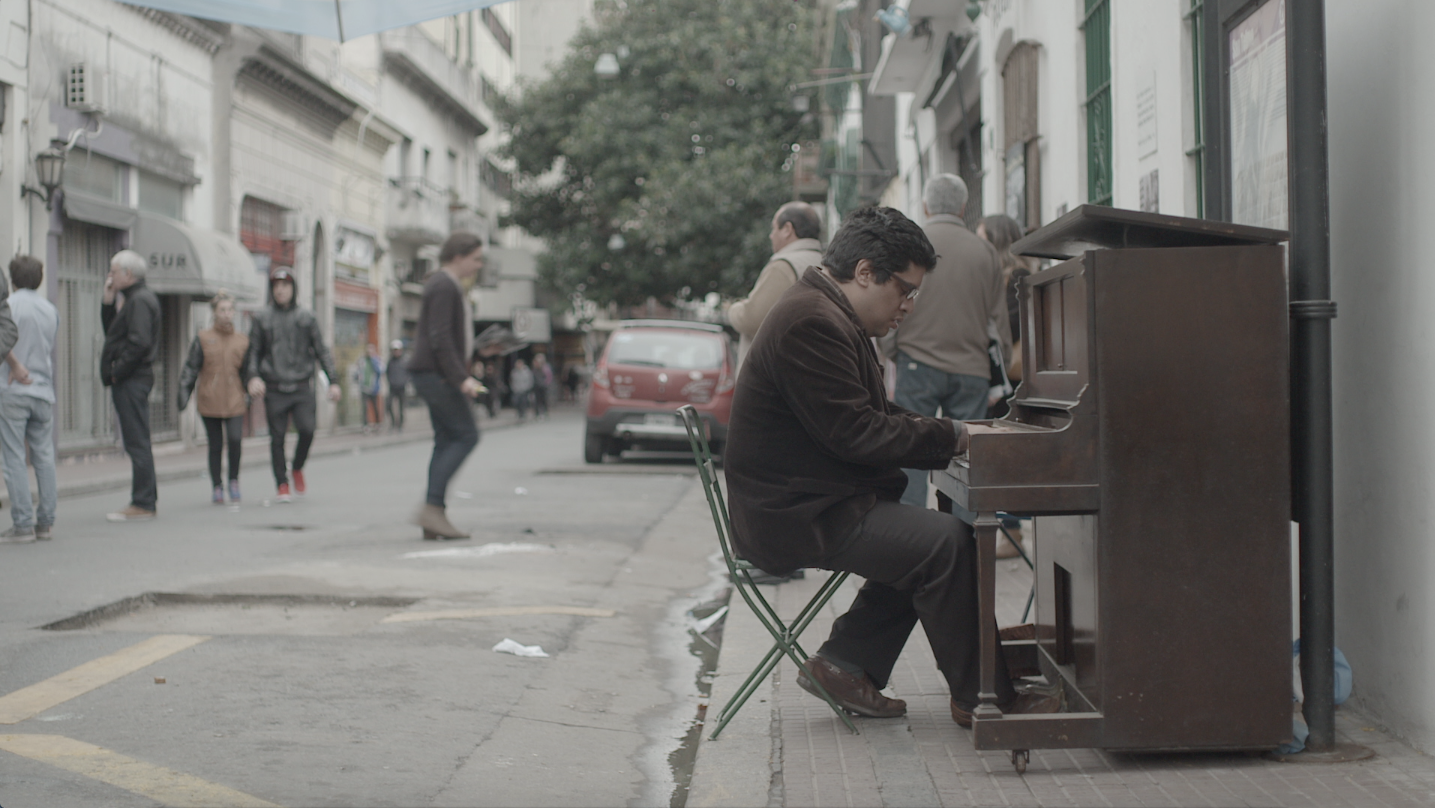 Solo is the portrait of a promising Argentinian piano virtuoso who has spent four years in a Buenos Aires psychiatric hospital. Now, he is trying to come back to life outside the asylum and in the concert halls. The director is a French producer and director Artemio Benki, who lives in the Czech Republic. His previous credits include the films Marguerite and Personal Shopper. From the Czech side, the producer is his company, Artcam Films. The foreign producers are Golden Girls Filmproduktion & Filmservices GmbH (AT), Petit a Petit Production (FR), and Sergio L. Pra–Lomo Cine (AR). The film should be finished by 2018.
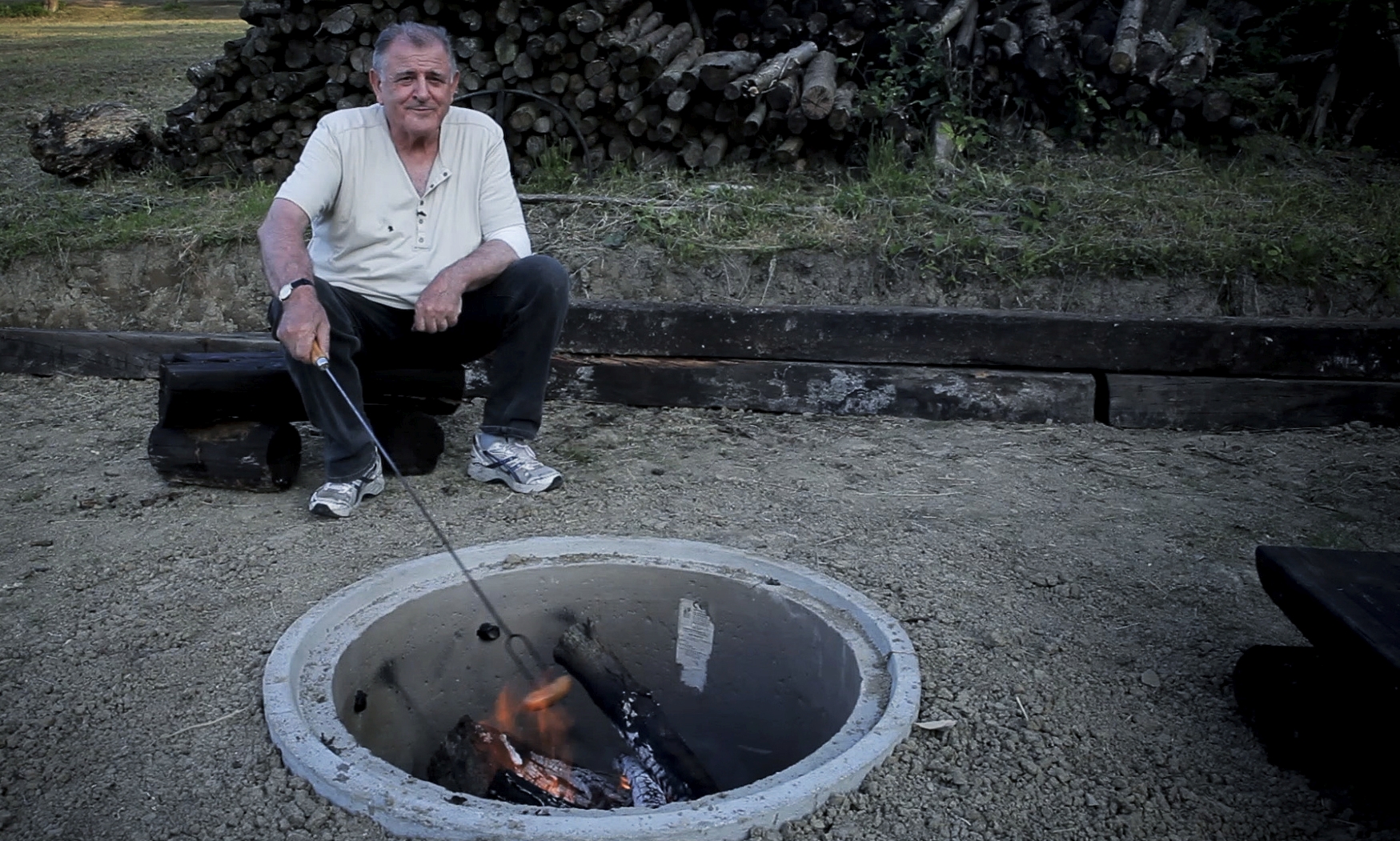 Another interesting portrait is The Lust for Power, by director Tereza Nvotová, who this year successfully premiered her feature-length live-action title, Filthy (Rotterdam IFF). The new film tells the fate of former Slovak prime minister Vladimir Mečiar, who came to power in post-Velvet Revolution Slovakia. Charismatic, powerful, and “loved by the nation,” the politician’s rule was marked by autocracy, abuse of power, and major scandals. The film’s producer is PubRes (SK), with Negativ (CZ) and HBO Europe as coproducers for the Czech side. The film should be completed in October 2017
In order to make Occupation 1968, producer Peter Kerekes approached a group of directors. This method, uncommon in documentary filmmaking, was an outgrowth of the film’s topic, which is the invasion of Czechoslovakia in 1968 by the armies of five former Warsaw Pact states. Fifty years later, five directors from those countries – Evdokia Moskvina, Linda Dombrovszky, Magdalena Szymkow, Marie Elisa Schiedt, and Stefan Komandarev – are each making a short film about the invasion from the perspective of individuals who took part in it. The film, a co-production between Slovakia, the Czech Republic, Poland, and Bulgaria, is set to premiere in February 2018.
D is for Division is a Lithuanian coproduction from the experienced Czech producer Radim Procházka, working with producer Guntis Trekteris (Ego Media) and director Davis Simanis. The picture, inspired by the events of 1940, is intended as a cinematic essay on boundaries, both geographical and metaphorical. The premiere is planned for this October.